

Flight delays have become an inevitable part of modern air travel. While the post-pandemic aviation infrastructure continues to improve, being a savvy traveler means staying one step ahead of potential disruptions. I’ve mastered this skill to the point where I often know my gate assignment before it appears on the airport boards and can anticipate delays hours in advance.
From Clueless to Confident
Gone are the days when I’d anxiously hover near departure boards waiting for updates. Now I take control of my travel experience by proactively monitoring my flights.
Last month while flying Air India from Goa (GOX) to Mumbai (BOM), a severe thunderstorm threatened our travel plans. Thanks to my tracking methods, I warned my friends well in advance about the impending delay. When our flight was ultimately postponed by a staggering 8 hours, we weren’t caught off guard.
As the airline issued incremental delay announcements, we remained calm and comfortable in the lounge, watching sports and understanding exactly what was causing the holdup—even after the weather had cleared. This advanced knowledge completely transformed what could have been a stressful experience.
The Secret to Predicting Flight Delays
So what’s the insider method to anticipate delays? It centers around one critical concept in aviation: incoming aircraft tracking.
Understanding Aircraft Rotation
The fundamental principle is straightforward: if you’re flying from New York to London, your flight cannot depart until its assigned incoming aircraft arrives at your gate. That same aircraft will then transport you to your destination.
Airlines rarely have spare aircraft ready to deploy at a moment’s notice. Therefore, if your incoming flight is delayed, your outbound flight will almost certainly be delayed as well. There are only two main exceptions to this rule:
- Hub airport departures – When flying from an airline’s hub (like Alaska Airlines from Seattle), the carrier might have more flexibility to reassign a different aircraft.
- First flights of the day – If your aircraft is making its first journey of the day, there’s no incoming flight to monitor.
Even at major hubs, substituting aircraft is complicated. Airlines must consider numerous logistical factors, and it’s often easier to use an already-active aircraft than to prepare a new one from scratch—a process that requires extensive safety checks and preparations.
My Three Essential Flight Tracking Tools
I rely on three complementary resources to monitor my flights:
1. Flighty (iOS/macOS)
This specialized flight tracking application provides:
- Information about your assigned incoming aircraft up to 48 hours in advance
- Early gate assignment notifications
- Comprehensive aviation data for flight enthusiasts
- Timely delay alerts
Flighty eliminates the need to anxiously check airport boards, as I typically know my gate well before it’s officially announced.

2. FlightRadar24
This real-time flight tracking service allows me to:
- Monitor my incoming flight’s exact position on a map
- Calculate realistic turnaround times
- Estimate if my flight will depart on schedule
In my experience, if the incoming aircraft arrives at least 90 minutes before my scheduled departure, boarding will likely proceed on time. When I spot a delayed incoming flight, I can make better use of that extra time—extending my lounge stay or completing last-minute airport shopping without rushing.
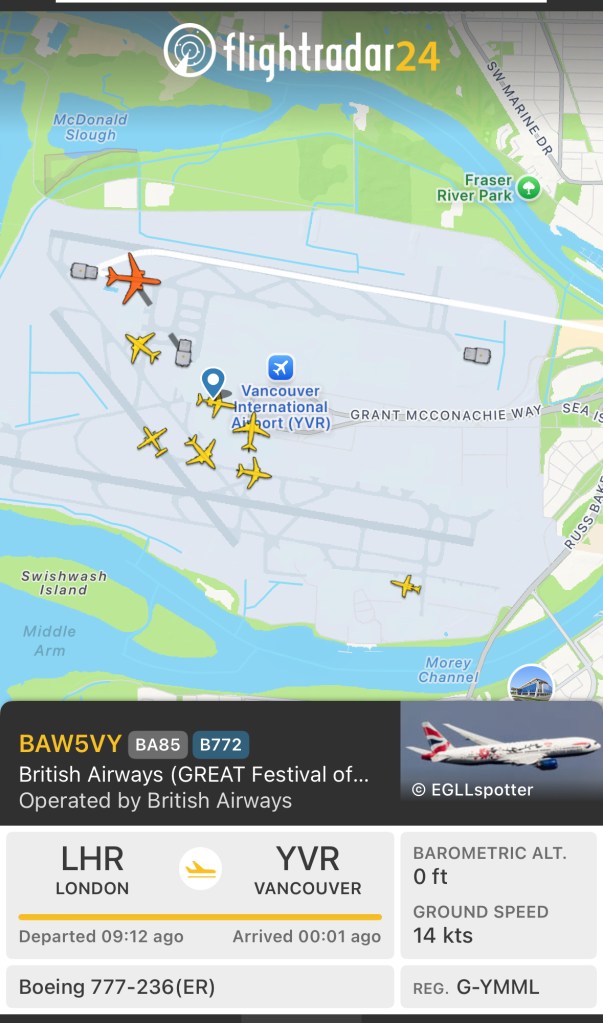
3. Official Airline App
I keep this as a reliable backup for:
- Last-minute gate changes
- Official delay notifications
- Boarding announcements
- Baggage tracking capabilities (now offered by many airlines)
How This Knowledge Saved My Day in Goa
To complete the story of my 8-hour Goa airport delay: I was tracking the incoming flight from Mumbai when it suddenly aborted its landing attempt due to the thunderstorm. After circling for an hour, the flight was diverted to Bengaluru (BLR).
The moment this happened, my friends and I knew we were in for a long wait. Our flight couldn’t depart until this diverted aircraft made its way from Bengaluru back to Goa. While other passengers frantically questioned gate agents who had little information to share, we settled comfortably in the lounge.
We tracked the diverted flight’s progress through our apps, knew exactly when our new gate was assigned, and boarded calmly when the aircraft finally arrived eight hours later.
Practical Benefits Beyond Avoiding Frustration
These tracking methods require minimal effort—just a minute or two of your time—but deliver significant benefits:
- More relaxed pre-departure experience
- Better connection management at layover airports
- Reduced stress through realistic expectations
- Greater control over your travel experience
A Word of Caution
Despite technological advancements, systems occasionally fail. If your flight still shows as “on time” 75 minutes before departure—but all your tracking tools suggest a significant delay—head to the gate and check with an agent. Having multiple information sources ensures you won’t miss your flight due to incorrect predictions or technical glitches.
By incorporating these practices into your travel routine, you’ll transform from an anxious passenger into a confident traveler who understands exactly what’s happening with your flight before most other passengers have a clue.
Safe and stress-free travels!
 Travel Smarter Hub
Leave a comment